
Training Tips
7 Questions to Ask Before You Send Your Horse to a Trainer
7 Questions to Ask Before You Send Your Horse to a Trainer
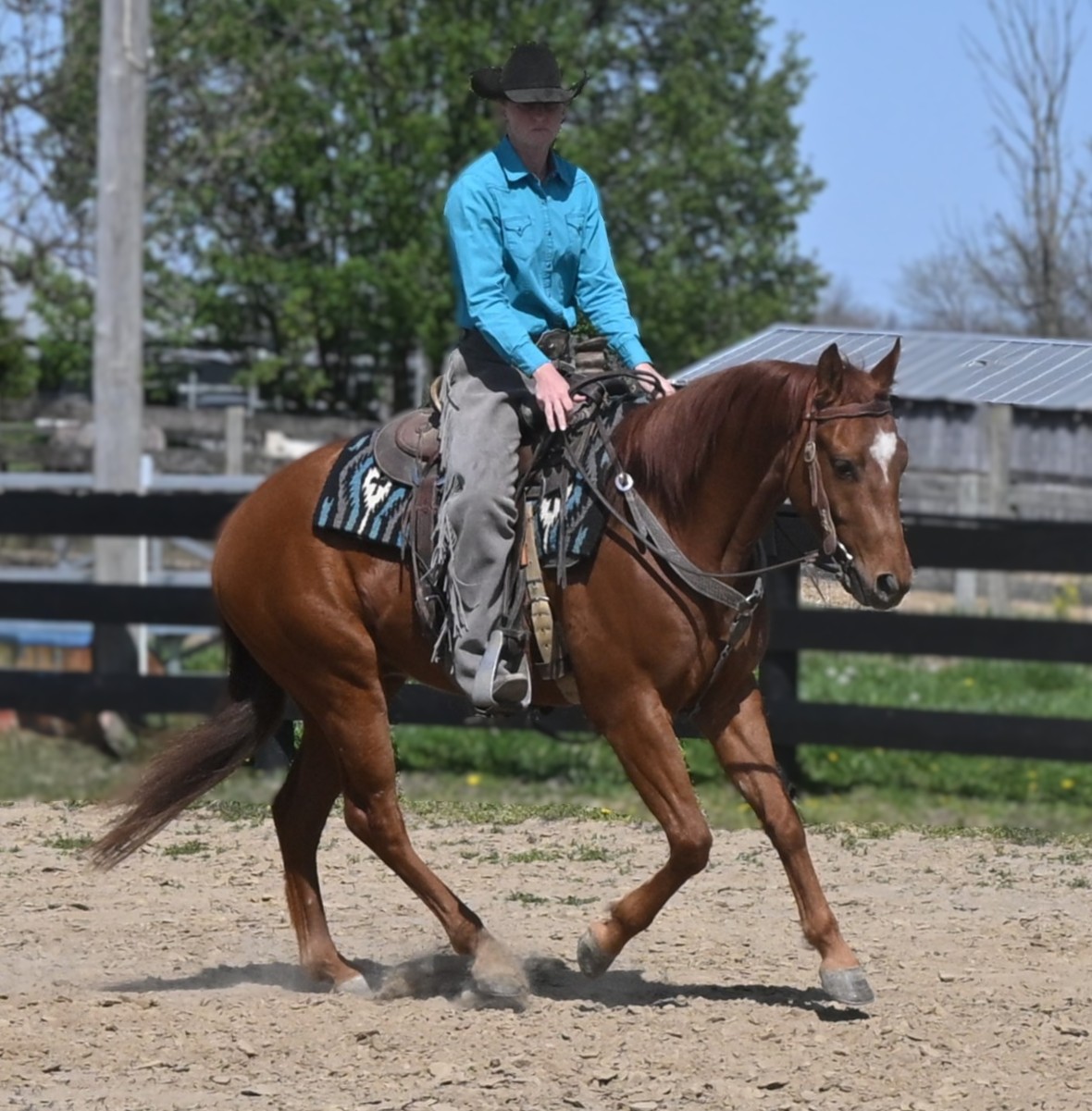
Sending your horse to a trainer is one of the biggest decisions you'll make as a horse owner. Whether it's a young colt just starting out, a horse that needs a refresher, or one you're hoping to finish for a specific job, success in training is about trusting the process.
The right trainer won't just help your horse improve. They'll help you grow too.
We put together these seven questions because we've seen what happens when people skip them, and we've seen what happens when they don't. Walking through these before you ever make a phone call will help you find a trainer who fits your goals and make sure you're prepared to do your part along the way.
1. Can You Communicate Clearly With This Trainer?
Your horse isn't the only one who needs to communicate well with a trainer. You do too.
There are so many trainers out there now, so many styles and specialties. The real question isn't just whether they're good. It's whether your values are in alignment and whether you can actually understand each other.
If a trainer uses words you don't understand, or you can't get a clear answer when you ask a question, pay attention to that. You're paying for their expertise. You should walk away from every conversation understanding what they're doing and why.
We had a client come to us after working with a couple of other trainers. What she told us stuck with us. She said we explained things in a way she actually understood, and that we were willing to rephrase something until it truly landed for her instead of just repeating ourselves louder.
That's what good communication looks like. Not just talking. Making sure you're actually understood.
2. Do You Trust This Trainer's Process?
If a trainer can't explain their process, that's a red flag.
A real trainer should be able to tell you exactly how they get from where your horse is now to where you want them to be. An actual process they've used time and time again to get the results they're talking about.
This is also where specialty matters. You wouldn't use a cutting trainer to develop a dressage horse. If you're colt starting, you need someone who specializes specifically in colt starting and has real, repeated experience doing it.
What we hear from our clients again and again is that they get more than they expected, because they trusted the process enough to let it actually work. When we lay out the steps from where they're starting to where they want to go, it gives them real confidence. They know what to expect, and their expectations stay realistic because they actually understand the path.
3. Have You Set Clear, Realistic Goals for Your Horse?
This is where a lot of people get tripped up. Not the goal itself. The realism of it.
We get calls from people whose horse isn't even started under saddle yet, asking for them to come home ready to work cattle. We have to gently explain that's not how it works. The horse needs to get started under saddle first, build a real foundation, and go well at the basics. Working cattle is a specialty that comes after that foundation is solid, not instead of it.
The same goes for colt starting in general. The goal of that phase is to build a strong, solid foundation, not to come home a finished specialist in any one discipline. Once that foundation is there, you can absolutely move into more specialized training. But trying to skip ahead just sets everyone up for frustration.
Realistic goals, matched to the actual timeframe and stage your horse is at, are what make training successful for the horse, the trainer, and you.
4. Are You Involved in the Process?
Here's something we hear far too often. People send their horse off for training and have no idea what their horse is learning along the way. They never sit on the horse before pickup day. They get the horse home and realize they don't actually know how to handle what their own horse has been taught.
That's a scary place to be.
It doesn't matter how good the training was if the horse goes home and the owner isn't prepared to be successful with them. That's why we offer weekly lessons during training. You come out, work on exactly what your horse is working on, and build the same skills they're building. By the time you take that horse home, you're not starting from zero.
If you're dealing with a specific problem before training, trailer loading, a colt you've never ridden, anything at all, you should get hands-on practice with that exact thing before you ever load up and head home.
And the support shouldn't stop at pickup. The best programs continue that relationship long after training ends, so you always have somewhere to turn as you keep moving forward together.
5. Are You Being Honest About Your Horse and Yourself?
Honesty has to flow both directions for training to actually work.
Be honest about your own riding ability. The clearer you are with your trainer about where you're really at, the better they can communicate with you and build a realistic plan, including an honest timeframe for how long it's actually going to take and whether you can commit to it.
Be honest about your horse too. If you have a horse with little to no cow sense and your goal is a finished cow horse, the odds of getting there are low no matter how good the training is. Your horse's mindset and breeding need to actually support the goal you're chasing.
That honesty works both ways. It lets your trainer be honest with you too, about whether you, your horse, and their program are actually a good match. If you don't fit their program, being in it won't work well, no matter how good the trainer is. Telling the truth from the start is what gets everyone an honest plan instead of false hope.
6. Are You Willing to Keep Learning?
There are really only two reasons people send their horse to training. Lack of time, or lack of knowledge. Often it's both.
Here's the part people sometimes miss. It's not just about what the trainer can do with your horse. It's about what you can do with your horse once they come home.
If your horse learns new tools, new exercises, new responses, and you're not willing to learn right alongside them, that horse is eventually going to settle back down to your level of riding. The skill has to live with you too, not just with the horse.
That means coming out of your comfort zone. Learning new techniques. Practicing them until you've actually mastered them. The better you understand and master the skills your horse is learning, the more successful that training becomes, and the better your outcome once they're home for good.
7. Do You Feel Comfortable With This Trainer as a Person?
You're going to be working pretty closely with this trainer. That relationship matters just as much as their skill set.
Feeling a little uncomfortable while you learn new techniques is normal. That's just growth. But feeling comfortable around the person, trusting that they genuinely have you and your horse's best interest at heart, is something different entirely.
If you're getting red flags on that first phone call, something about their values, their process, the way they talk to you, pay attention to that. If it doesn't feel like the right fit going in, it probably isn't.
This isn't a one time transaction. You're going to be learning their techniques and growing your own horsemanship right alongside your horse's training. You need to feel like you can communicate with this person, that they're supporting you through the process, and that the support doesn't just disappear the moment training ends.
Putting It All Together
The right trainer won't just help your horse. They'll help you become a better horseman. Take the time to find the right fit, and be ready to do your part.
When horse, trainer, and owner all work together, that's when real progress happens.
We put together a free guide with all seven of these questions laid out so you can keep them handy before your next conversation with a trainer.
If you'd like to talk through your horse and your goals directly, we'd love to hear from you. Schedule a free discovery call and let's see if we're the right fit.
Schedule a Free Discovery Call
Chambers Ranch Horsemanship www.chambershorsemanship.com

©2026 Chambers Ranch Horsemanship. All Rights Reserved.